
“We can have this American Dream come true, but it starts with accepting and letting people be. It starts with welcoming and including each other. Everybody wants diversity and thinks they can snap their fingers and get it. That’s not how it works. Diversity is a symptom of the actions that you do. When you look at diversity, equity, and inclusion, inclusion is the only verb. The rest follows.”
-Jerry Norris
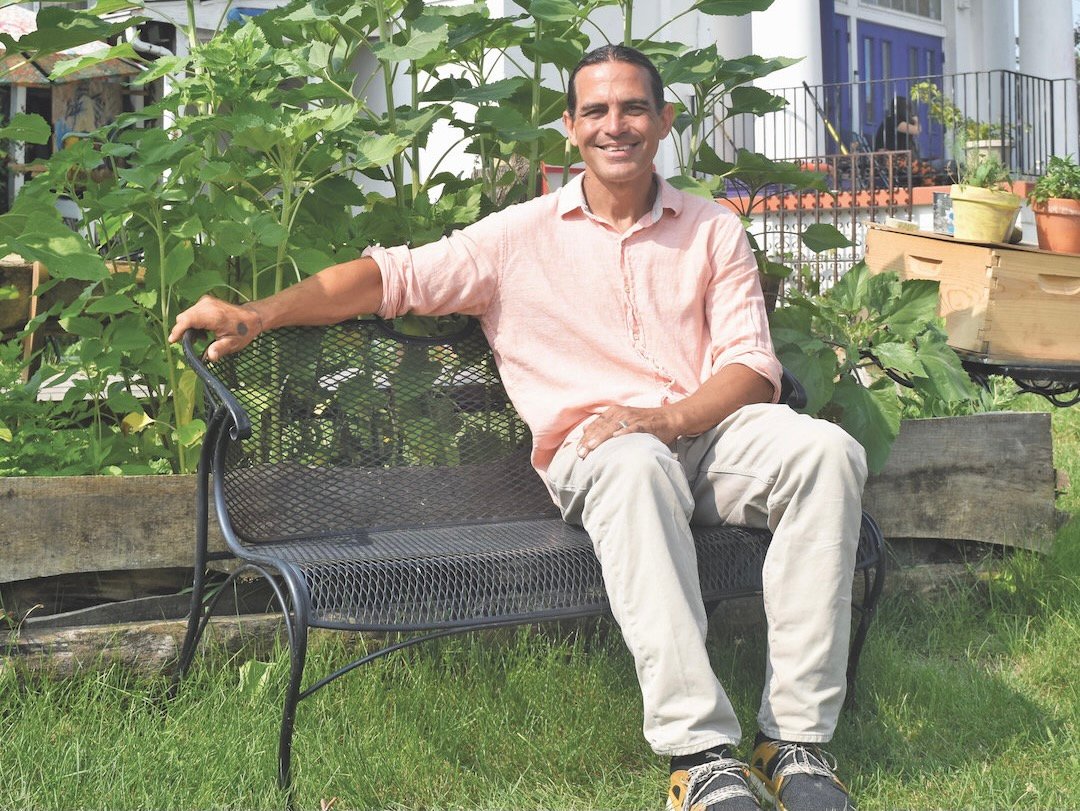
“Can I…”
“Yes.”
Jerry stated from his desk in the Fledge, a dynamic haven known for its radical inclusivity, manifestation of pure love, and its sanctimonious nature. The Fledge, driven by a profound commitment to fostering joy in all those it serves, is a small representation of the embodiment of Jerry’s unwavering dedication to empowering individuals.
Jerry turned again, “The answer is yes.”
To label Jerry simply as an entrepreneur from Lansing, Michigan, with a mission to provide resources for anyone seeking growth would be an understatement. Such a description fails to encapsulate the essence of justice that he establishes in his work.
The journey of the Fledge began in a modest 3600 square foot building, propelled by an audacious vision: to nurture the aspirations of every entrepreneur, irrespective of their venture’s nature. Within 3 months of its opening, the Fledge not only assisted numerous businesses in their inception but also generated profits of its own. The exponential growth soon outpaced the confines of its original space, and it was relocated to a 12,000-square-foot repurposed church. Today, the Fledge has transcended its humble beginnings, multiplying its impact tenfold since its first year in the church and tripling its initial size. The acquisition of the new space also brought a vibrant tapestry of diversity, bridging the gap between rural and urban landscapes and amplifying the principle of radical inclusion.
Radical inclusion is reflected in the idea that the answer is always yes, regardless of the question, when someone seeks an opportunity. For example, someone could come into the Fledge and ask about creating an app for anything:
“Can I get some help building an app that tracks the reentry of people getting out of prison?”
“Yes.”
The idea often mirrors the nature of a perpetual motion machine in physics. Just as the possibility of such a machine remains uncertain, the team at the Fledge has embraced the ethos of saying “yes” regardless. Their conviction stems from recognizing that every endeavor presents two potential outcomes: success or learning. Within their philosophy, they firmly uphold the belief that learning is never synonymous with failure. As time progressed, the Fledge team not only discovered the remarkable diversity of ideas but also witnessed the diversity of the individuals themselves. Many of those who sought refuge at the Fledge had grown accustomed to being met with rejection elsewhere. Now, they had found a sanctuary—a place where they could find support.
Inevitably the Fledge experienced a portion of their audience over time. An increasing number of individuals who arrived at its doors were involved in criminal activities. Among them, a particular group of kids expressed a desire to learn how to purchase Percocet using Bitcoin and profit from it within their community. Jerry made a promise to support them, and he stayed true to his word, but not how you might think. The Fledge began teaching these kids about the business model canvas, and as they progressed, some of the kids either dropped out, believing that the team couldn’t assist them in achieving their original goal, or they underwent a change in direction.
They realized, “Instead of flipping Percocet with Bitcoin, I can invest in Bitcoin or utilize web3 to start developing products. I have the ability to create my own plan, explore NFTs, and engage in various endeavors that won’t bring fear, harm my family, take lives, or negatively impact my community.”
Some of the kids who had initially left eventually returned after two years, maintaining their trust in the Fledge. Jerry never severed ties with anyone after their initial engagement, which resulted in a complex and diverse community. This complexity gave rise to chaos on a large scale. However, within the chaos, various attractors emerged—unintentional order formed by embracing the “yes” mentality and accepting everyone who came along. This growth was a collective effort, and it unfolded naturally. The Fledge encompassed individuals with diverse worldviews, akin to a jazz band where each musician contributed their own unique truth, yet together they created beautiful and harmonious music that propelled their journey forward. With a multitude of minds came an abundance of knowledge that multiplied exponentially. In other words, with every additional person, the collective knowledge grew exponentially—like the factorial of the number of individuals. This led to a number of different ways they could interact with one another, resulting in an abundance of life, countless solutions, and a wealth of innovation. The Fledge became a regenerative, progressive, and constantly evolving incubator, thriving amidst the beautiful chaos it embraced.
Amidst the growing chaos and diversity, the Fledge community encountered individuals facing various hardships, including poverty, falling below the ALICE threshold, mental health issues, addiction problems, and involvement with the justice system. One such individual, a homeless single mother, approached the Fledge with a request for assistance in developing an app to track the reentry of individuals leaving prison. While she practiced her pitch, the Fledge team stepped in to help by changing her kids’ diapers. Additionally, she was provided with boxes of food and clothes from the Fledge’s free store. Over time, she found a stable home and achieved a remarkable milestone—winning her first pitch competition, named “We got 99 problems, but a pitch ain’t one,” organized by Jerry. Through these experiences, the Fledge team gradually realized the immense challenges involved in building a company when individuals’ basic needs are unmet. This realization prompted them to delve deeper into the issue. In Lansing, Michigan, where the Fledge is located, a staggering 65% of the population lives below the ALICE threshold. These individuals are known as the working poor, struggling to make ends meet and unable to afford all the essential necessities of life.
The six basic needs—housing, food, technology, transportation, childcare, and healthcare—play a vital role in individuals’ well-being. However, due to financial constraints, many are forced to sacrifice at least one of these needs. Often, healthcare is the first to be compromised. For parents, childcare becomes the next area of sacrifice. In such cases, children are often entrusted to the care of relatives, who are likely also living below the ALICE threshold. Unfortunately, instead of being enrolled in developmental programs like Head Start, these children spend their days watching shows, receiving little to no educational enrichment for their development.
Instead of having the opportunity to pursue their entrepreneurial dreams, these single mothers and families found themselves living day by day, constantly worrying about where they would stay each night and how they would manage to attend important business meetings the following morning. Basic needs such as access to showers and clean clothes became pressing concerns. These challenges became significant obstacles for them. However, the Fledge recognized the importance of creating an inclusive entrepreneurial support system to help them overcome these barriers. In doing so, the Fledge transformed into something different for its Lansing’s community members, it became a home.
Lansing, Michigan, held a special place in Jerry Norris’ heart, as it was his hometown and the place of his birth in 1966. He experienced poverty firsthand, growing up in Section 8 housing. During his adolescent years, his family relied on the Supplemental Nutrition Assistance Program, previously known as Food Stamps, to meet his basic needs. Raised primarily by a single mother, Jerry’s upbringing mirrored the statistic that over 50% of mothers in Lansing were single mothers. It was through Jerry’s journey that I came to understand that his connection to Lansing, his home, played a crucial role in his nature versus nurture development. Despite facing adversity in his own circumstances, he chose to embrace and support others who were moving away from similar situations, starting from the very place he once found himself. This aspect of Jerry’s story is not just a key point but a defining aspect of his character. His nurturing was shaped by the people who joined him in creating a space where anyone, regardless of their circumstances, could not only survive but also challenge stereotypes and grow.
In an earlier part of his life, he did it because it felt like his only option. At a young age, Jerry’s father told Jerry that to grow up and live a stable life, he needed to start wrestling, earn a good scholarship at a good school, and study computer science. He was thrown on a wrestling mat, and that’s where it all began.
Living in poverty and competing in a space where his competition had great coaches, expensive training, and travel to monthly competitions made equity in the space difficult, but for him, it made it more worth it. Knowing that this was the only way he’d get to go to school made it spiritual for him. In high school, he continued to compete and perform very well. He did extremely well in his coursework, and in his senior year, he was accepted into the University of Michigan’s College of Engineering, majoring in computer science with a great scholarship. While he began majoring in computer science, he later switched to mathematics. After enrolling in a few courses, he realized that computers were not the sole avenue to building the future systems he envisioned. This realization prompted a shift in his thinking, questioning the need to invest resources in learning a programming language when he already possessed the strategic mindset and philosophical foundation required for his goals.
During his college years, Jerry continued his wrestling journey, but unfortunately, he faced a significant setback in his junior year when he sustained an injury that prevented him from wrestling during his senior year. However, his wrestling experience also intertwined with a darker chapter in his life. Jerry was one of the survivors of Dr. Anderson’s abuse—a distressing reality that affected numerous students in the athletic department at University of Michigan. Dr. Anderson served as the director of University Health Services and the athletic department doctor at the University of Michigan. Transitioning to a Division 1 school, many of the athletes were unsure if Dr. Anderson’s actions were a normal occurrence, and fear of jeopardizing scholarships or the immense respect they held for their coaches often deterred them from speaking up or led to their concerns being dismissed. However, this story owes nothing to Dr. Anderson and is dedicated to those who have survived, especially Jerry.
During his time at the University of Michigan in the 1980s, Jerry witnessed and actively participated in student protests against apartheid, advocating for equal rights and fighting for HIV and AIDS protections for gay men. He recognized the detrimental impact of stigma and firmly believed in dismantling it without delay. Stigma was not only responsible for fueling the HIV/AIDS epidemic but also played a central role in the escalation of the war on drugs, driven by racist intentions, and contributed to the tragic loss of lives due to substance use overdose. Growing up in a milieu influenced by the counterculture of the era, with its prevalence of drugs, alcohol, and evading law enforcement, shaped his perspective and contributed to his present-day understanding and Truth.
After surmounting significant challenges during his college years, Jerry graduated with a degree in Mathematics, with a focus in statistics and computer science. Yet, his journey extended beyond the realm of numbers. During high school, Jerry’s English teacher introduced him to the beauty of literature, poetry, art, and the profound depth of third-level references. These newfound realms of expression became captivating patterns for him to explore, extending beyond the confines of mathematics. Through words, stories, and glimpses into history, he developed a keen interest in subjects such as literature, philosophy, and psychology, which led him to pursue multiple college courses in these fields.
“All the way along our childhood, we learn about this American Dream and how this is supposed to be the land of the free. This is supposed to be a place that promotes the pursuit of happiness. You’ll never see me fly an American flag until that dream comes true. The dreams that this country was built on–not slavery–but the principles can help us again and guide us out of here. We can be proud of our country again when we end racism, treat that homeless person or that single mother who has made 100 mistakes with the same respect and dignity we’d give to anyone else.”
-Jerry Norris
After completing his education at the University of Michigan, Jerry embarked on his professional journey by joining Unisys as a quality engineer at the young age of 21. It was during this time that he encountered an exceptional mentor—an esteemed NASA quality engineer from the 1960s—who introduced him to an influential document called ISO 9000. Driven by his passion for learning, Jerry immediately delved into studying ISO 9000 and soon became the youngest ISO 9000-certified auditor worldwide. Unisys recognized Jerry’s expertise and began deploying him across the United States to conduct audits on their behalf. It was an immersive experience that allowed him to witness the inner workings of various companies, akin to living through the series “How It’s Made.”
Throughout his auditing journeys, he gained valuable insights into numerous processes and systems, ultimately leading him to develop a software program that facilitated consultations on achieving specific certification standards. Eventually, he sold his company to another software firm, but unfortunately, the company’s potential was squandered as his advice went unheeded. However, Jerry’s professional journey took an unexpected turn when an Indian IT company based in Dubai reached out to him, seeking a discussion on a probabilistic risk model he had written about. Intrigued by the opportunity, Jerry decided to work in Dubai approximately eight months after the tragic events of 9/11. Despite the prevailing fear and prejudices surrounding Muslims and the Middle East at the time, Jerry believed it was necessary to challenge these assumptions firsthand. He courageously immersed himself in the environment, arriving in Dubai to deliver a presentation to an audience of around 150 people in an extravagant auditorium.
Upon his arrival, Jerry realized that he was actually competing for a coveted project that the attendees desired to be completed. Remarkably, his company emerged victorious, triumphing over industry giants like Microsoft, IBM, and SAP. As a result, they secured a significant contract with the Dubai municipality, solidifying Jerry’s success and paving the way for further achievements in his journey.
Over the following 12 years, Jerry dedicated himself to Dubai, dividing his time between the United States for six weeks and spending two to four weeks in Dubai. In 2006, the company that had acquired his previous venture went bankrupt. Undeterred, Jerry approached a bank with a plan to rebuild the company, persuading them to provide the necessary funds. With the support of the bank, he successfully resurrected his business operations. Operating in 170 countries with a significant presence in around 30 countries, his company became a global enterprise.
However, circumstances took an unexpected turn when Jerry’s partners expressed a desire to sell the company. Although he had reservations about this decision, he ultimately felt compelled to comply. Nevertheless, he retained a piece of intellectual property that he prevented from being sold, leading him to establish another software company centered around that particular intellectual property. He managed this venture for approximately a year. Despite the initial success and rapid growth of his new endeavor, Jerry found himself discontented. He realized that he had been fabricating the mentors in his life, and the city he grew up in had played a pivotal role in shaping him. During his time in Dubai, he achieved a significant accomplishment by significantly reducing sunstroke deaths through effective quality management. The annual death toll plummeted from 780 to just two cases. His expertise in this area led him to be hired by Doha to undertake a similar initiative in preparation for the 2022 World Cup. If the companies involved in the preparation had not been sold, those deaths might have been prevented.
Despite these achievements, Jerry no longer found fulfillment in his work. It was during the process of rebuilding his company that Jerry began hosting coding clubs in various restaurants and organizing networking events. In 2014, he took the leap and launched the Fledge virtually. These activities marked a turning point for him, as he sought to pursue a new path that aligned with his values and aspirations.
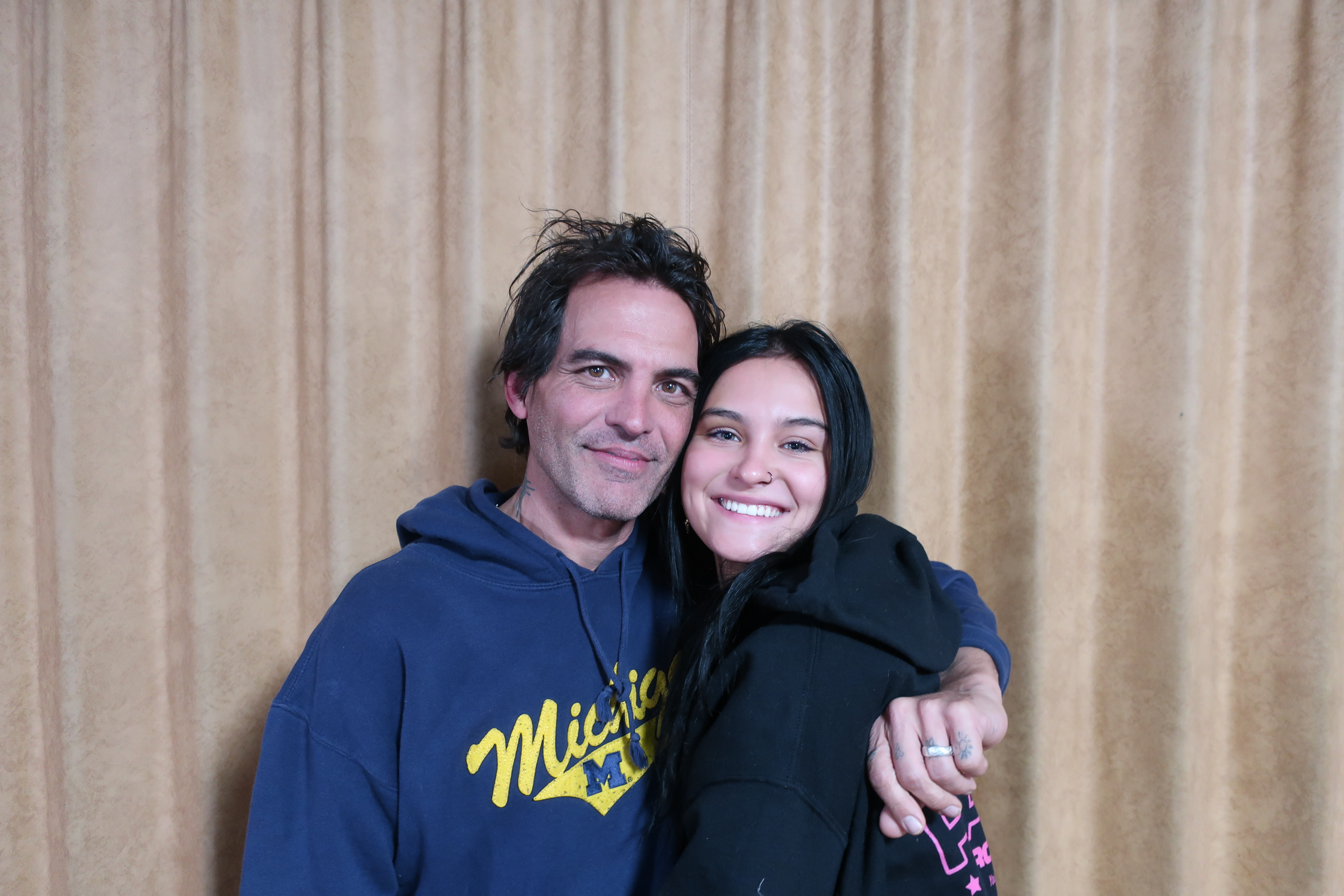
From its humble beginnings, the Fledge has served as a sanctuary and source of compassion for countless individuals. Jerry, alongside the remarkable community center he established, opens their arms to all, irrespective of their circumstances. However, it was a tragic event that profoundly altered Jerry’s trajectory. Six years ago, on Father’s Day, his eldest daughter, Daniella, passed away from a fentanyl overdose. This devastating loss propelled Jerry into the realm of recovery work and harm reduction, an unexpected journey he never envisioned undertaking. Through an invitation into this realm, he began imparting knowledge on Narcan usage, and ever since, the Fledge has been dedicated to offering vital assistance to those in need. Today, the Fledge has expanded its mission, striving to develop solutions for any challenge individuals face. It extends support in the form of essential provisions, including food, housing, transportation, technology, and healthcare. This organization operates by the people, for the people, with a steadfast commitment to harm reduction. In essence, it endeavors to safeguard lives and foster survival.
When I asked Jerry one thing that he wished more people knew, he stated with confidence:
“That the people living below the ALICE threshold, suffering from substance use disorder, struggling from mental health disorders, and working to make it by day by day are the strongest people I know–not the wrestlers, the CEOs, not Sheik Mohammed from Dubai (no disrespect man–I might have to go back there someday). Those aren’t the strongest people out there. It’s the people out there struggling.”
-Jerry Norris
Jerry firmly advocates for the importance of embracing individuals whom we may fear, inviting them to the table and genuinely listening to their perspectives. He recognizes that diverse perspectives give rise to different ideas, which are vital for progress. Jerry emphasizes the need for radical inclusion, where we actively reach out to those we fear, offering them the opportunity to thrive. It is through this inclusive approach that we can unlock the power of ideas, which are essential in shaping a better future.
Throughout my interview with Jerry, his unwavering commitment to humanity stood out profoundly. He consistently refuses to turn a blind eye to the suffering of others. His unwavering dedication to radical inclusion is evident in every aspect of his work, as he strives to ensure that everyone receives the support they deserve. I feel privileged to have had the opportunity to interview him and witness his remarkable efforts. I encourage you to consider getting involved with the Fledge in any capacity you can. Let us cultivate a culture of saying yes and accepting others, regardless of their circumstances. By recognizing the inherent humanity in each person, we encounter and refusing to ignore their suffering, we can make a meaningful difference in the world.
 Rising Echo